Workplace Culture Guide | How to Build a Positive and Productive Work Environment
Learn how to build a positive workplace culture step by step, explore workplace culture examples that improve employee engagement, and discover practical strategies to strengthen company culture and retention in this comprehensive guide.
OPERATIONS AND PEOPLE MANAGEMENT
12/10/202516 min read


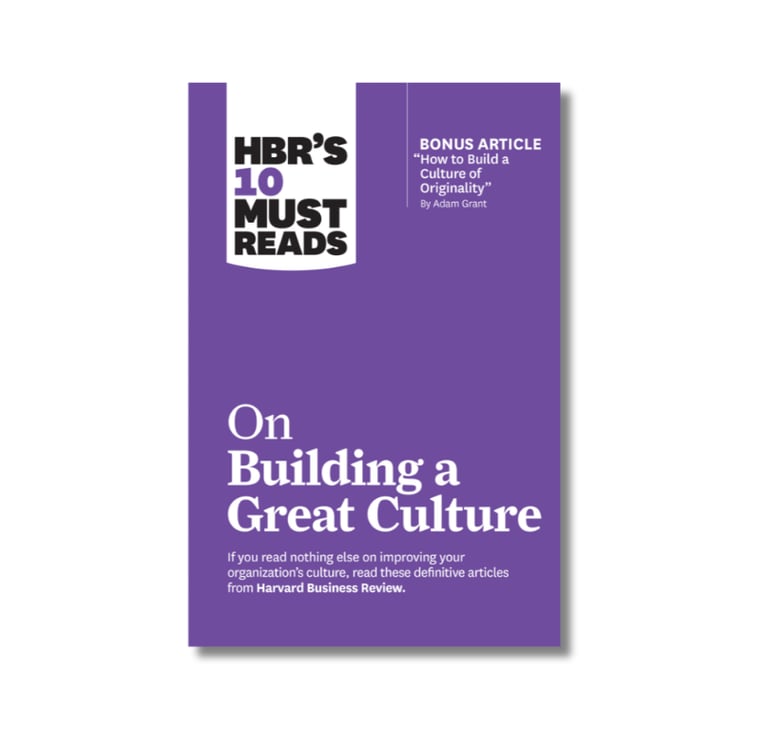
Workplace culture has evolved from a soft, intangible concept to a recognized competitive advantage that drives performance, attracts talent, and determines organizational success. Companies with strong, intentional cultures consistently outperform their peers in profitability, innovation, employee retention, and customer satisfaction. Yet building authentic, positive workplace culture remains one of leadership's most challenging responsibilities.
What Is Workplace Culture?
Workplace culture is the shared set of values, beliefs, attitudes, behaviors, and practices that characterize an organization and shape how people interact, make decisions, and approach their work. It's the personality of an organization—the unwritten rules, spoken and unspoken norms, and collective understanding of "how things work around here."
Culture is reflected in many aspects, such as meeting practices, approaches to failure, the degree to which individuals feel comfortable voicing opinions, how hierarchy functions, the behaviors encouraged or discouraged, perceptions of work-life balance, and how closely real actions align with stated values. It's simultaneously everything and nothing—invisible until violated, powerful yet difficult to define, and easier to damage than to build.
Unlike policies or organizational charts that leaders can change by decree, culture emerges from collective experiences, leadership behavior, and reinforced patterns over time. It's created through every interaction, decision, and communication, whether leaders actively shape it or not. The question isn't whether your organization has a culture—it's whether that culture is intentional and aligned with your goals, or accidental and working against you.
Why Workplace Culture Matters
The impact of workplace culture on organizational performance is profound and measurable.
Drives Employee Engagement and Retention - Strong cultures create emotional connections between employees and organizations. People who feel aligned with their company's values, appreciated by leaders, and connected to colleagues stay longer, work harder, and contribute more. Organizations with highly engaged workforces experience 21% higher profitability and 41% lower absenteeism. Conversely, toxic cultures drive talent away, creating costly turnover cycles and the loss of institutional knowledge.
Attracts Top Talent - In competitive labor markets, culture becomes a decisive factor in recruiting. Talented candidates have options—they choose organizations where they'll thrive, not just collect paychecks. Companies known for positive cultures receive more applications, fill positions faster, and attract higher-quality candidates. Culture has become such a differentiator that many candidates research Glassdoor reviews as carefully as salary offers.
Enhances Performance and Productivity - Culture directly impacts how effectively people work. Cultures that encourage collaboration, psychological safety, and continuous improvement enable teams to perform at higher levels than those characterized by fear, politics, or dysfunction. When people trust their colleagues, feel safe taking risks, and believe their contributions matter, productivity naturally increases without micromanagement or coercion.
Fosters Innovation - Innovation requires risk-taking, experimentation, and learning from failure—behaviors that only flourish in supportive cultures. Organizations where people fear punishment for mistakes or face ridicule for unconventional ideas stifle the creativity that drives competitive advantage. Google's famous "20% time" policy and 3M's culture of experimentation demonstrate how intentional cultural choices can systematically generate innovation.
Shapes Customer Experience - Employee experience directly influences customer experience. Engaged, satisfied employees deliver better service, solve problems creatively, and genuinely care about customer outcomes. Cultures that demoralize employees inevitably create customer experiences that reflect that demoralization. The connection is so direct that customer satisfaction scores often predict employee engagement scores and vice versa.
Builds Resilience - Strong cultures help organizations weather crises, market disruptions, and significant changes. Shared values and mutual trust enable collective action during uncertainty. Organizations with weak cultures fragment under pressure as people retreat into self-preservation mode. The COVID-19 pandemic starkly illustrated this difference—companies with strong cultures pivoted smoothly to remote work, while those with weak cultures struggled with coordination and morale.
Creates Competitive Advantage - Culture can be the ultimate sustainable competitive advantage because it's nearly impossible to replicate. Competitors can copy products, strategies, and business models, but they can't copy the culture built over years through thousands of interactions and reinforced behaviors. Companies like Southwest Airlines, Zappos, and Patagonia built cultures so distinctive that they became competitive moats.
Core Elements of Workplace Culture
Effective workplace culture comprises several interconnected elements that must work in harmony.
Values and Principles
Values are the fundamental beliefs that guide organizational behavior and decision-making. They answer questions like: What matters most to us? What principles will we never compromise? How do we treat people?
Effective values are specific, meaningful, and behavioral. "Integrity" is vague; "We keep commitments even when inconvenient" is actionable. "Innovation" is generic; "We reward intelligent risks and learn from failures" guides behavior. The best values distinguish the organization—they describe choices that differentiate you from competitors rather than platitudes that apply to everyone.
Values matter only when consistently applied, especially in difficult decisions. If "customer first" is a value but the company routinely sacrifices the customer experience to maximize short-term profits, that value is meaningless. Leaders demonstrate actual values through trade-offs and tough choices, not slogans and posters.
Leadership Behavior and Modeling
Leaders create culture more through actions than words. Every decision leaders make, every behavior they reward or tolerate, and every reaction to challenges signals what the organization truly values.
If leaders preach work-life balance but send emails at midnight and schedule weekend meetings, the real message is clear: overwork is expected despite stated values. If leaders claim to value transparency but withhold information and make opaque decisions, trust erodes. If they espouse collaboration but publicly shame people for mistakes, fear replaces openness.
Conversely, leaders who consistently model desired behaviors, acknowledge their mistakes, hold themselves to the same standards they expect of others, and visibly act on their stated values create authentic cultures. This modeling effect cascades—managers imitate executives, employees imitate managers, and behaviors become normalized patterns.
The challenge is that leaders operate in fishbowls where everything they do is observed, interpreted, and amplified. Small leadership behaviors—how they respond to bad news, whether they listen in meetings, and whom they spend time with—carry outsized cultural impact.
Communication Patterns
How information flows through organizations profoundly shapes culture. Open, transparent communication builds trust and engagement. Secretive, top-down communication breeds suspicion and disengagement.
Communication culture encompasses multiple dimensions: Is information shared broadly or hoarded? Can people speak candidly, or must they filter everything? Do leaders listen or just broadcast? Are complex topics addressed directly or avoided? Is feedback bidirectional or only top-down?
The best cultures create psychological safety where people can share concerns, admit mistakes, challenge assumptions, and ask difficult questions without fear of punishment. This safety doesn't mean everyone agrees—it means disagreement is welcomed and managed constructively rather than suppressed or punished.
Communication rhythms also matter. Regular, predictable communication builds trust. Organizations that only communicate during crises or at their convenience create anxiety and speculation that fill information gaps with rumors.
Recognition and Rewards
What organizations reward reveals what they truly value, regardless of stated values. Reward systems—formal compensation, promotions, public recognition, informal praise—teach people which behaviors lead to success.
If organizations claim to value teamwork but only reward individual achievement, people learn to prioritize personal success over collective outcomes. If they espouse quality but reward speed above all else, corners get cut. If they promote people who deliver results through toxic behaviors, everyone learns that "how" doesn't matter, only "what."
Effective recognition systems reward both results and behaviors aligned with cultural values. They celebrate not just what people achieve but how they achieve it. Recognition is timely, specific, and authentic rather than generic and formulaic.
The most powerful recognition often comes from peers rather than management. Cultures where colleagues appreciate and celebrate each other's contributions build stronger connections than those that depend solely on top-down recognition.
Rituals and Traditions
Rituals—recurring practices and ceremonies—reinforce culture by creating shared experiences and signaling what matters. Weekly all-hands meetings, annual retreats, new-employee onboarding experiences, milestone celebrations, and even how birthdays are acknowledged all contribute to the culture.
Effective rituals serve clear purposes: building connections, reinforcing values, celebrating achievements, processing difficult experiences, or marking transitions. They should feel meaningful rather than obligatory, authentic rather than performative.
Some organizations develop unique rituals that become cultural signatures. Amazon's practice of starting meetings with a silent reading of narrative memos reinforces its writing culture and supports thoughtful decision-making. Shopify's "burner" company, which provides employees with funds for passion projects, reinforces its culture of innovation.
Rituals are potent during transitions—welcoming new employees, promoting people, departing when people leave, and navigating crises. How organizations handle these moments sends clear messages about what and whom they value.
Physical and Virtual Environment
The work environment—physical spaces, digital tools, and how work is organized—shapes culture. Open offices encourage collaboration but can hinder focused work. Private offices create hierarchy and reduce spontaneous interaction. Remote work enables flexibility but requires intentional culture-building to prevent isolation.
Environmental choices signal values: Do executives have lavish offices while employees sit in cubicles? Are spaces designed for collaboration or individual work? Do people have flexibility in where and how they work? Are common areas inviting or institutional?
In increasingly distributed work environments, virtual culture becomes equally important. How are remote employees included? Do virtual meetings enable participation, or do they feel like surveillance? Are digital communication norms established and respected?
The environment should enable the culture you want rather than undermine it. If you value collaboration but everyone works remotely without collaboration tools, the environment and values misalign.
Hiring and Onboarding Practices
Culture is built one person at a time through whom you hire and how you integrate them. Hiring for cultural fit (or "cultural add" as more progressive organizations frame it) ensures new employees strengthen rather than dilute culture.
This doesn't mean hiring people who all think alike—diversity of thought, background, and perspective enriches culture. It means hiring people whose values align with organizational values and who will enhance the culture you're building.
Onboarding shapes new employees' understanding of culture during their most impressionable period. Effective onboarding explicitly teaches culture—what behaviors are expected, how decisions are made, what success looks like, and how to navigate the organization. It connects new employees to colleagues, provides early wins that build confidence, and reinforces that joining this organization was the right choice.
Poor onboarding or hiring people whose values fundamentally conflict with the organization's culture creates friction that erodes the culture over time.
How to Build a Strong Workplace Culture
Building an intentional, positive culture requires systematic effort across multiple fronts.
Step 1: Define Your Desired Culture
Begin by being clear about the culture you want to create. This requires an honest assessment of the current culture and thoughtful consideration of the ideal culture.
Assess Current Culture - Understand your culture as it exists today, not as leaders wish it to be. Conduct anonymous surveys, hold focus groups, interview departing employees, and analyze behavior patterns. What do people really believe? How do they actually behave? What's rewarded and punished? Be brutally honest—self-deception about current culture dooms improvement efforts.
Articulate Aspirational Culture - Define the culture you want to build. What values matter most? What behaviors should characterize daily interactions? How should decisions be made? What should people feel when working here? What should distinguish this organization from competitors?
Involve diverse voices in this definition—culture can't be decreed from the executive suite. People throughout the organization have valuable perspectives on what works, what doesn't, and what's possible.
Identify Gaps: Compare the current and desired cultures honestly. Where are the biggest disconnects? What specific behaviors need to change? Which aspects of current culture should be preserved? Understanding gaps guides priorities for cultural transformation.
Create Cultural Principles - Translate aspirational culture into specific, behavioral principles. Instead of "respect," specify "We listen without interrupting, assume positive intent, and address concerns directly." Instead of "excellence," clarify "We deliver work we're proud of, iterate based on feedback, and continuously raise our standards."
Step 2: Secure Leadership Commitment
Cultural transformation requires visible, sustained leadership commitment. Without it, initiatives become empty programs that cynical employees correctly recognize as performance rather than genuine change.
Start at the Top - Executive teams must personally commit to cultural change before cascading it. This means examining their own behaviors, acknowledging where they've contributed to current problems, and committing to modeling the desired culture even when it's inconvenient or uncomfortable.
Align the Leadership Team - Misalignment among leaders undermines cultural initiatives. If some leaders embrace a new culture while others actively resist, employees receive contradictory signals that breed confusion and cynicism. Leadership alignment is non-negotiable for cultural change.
Make It Personal - Leaders should identify specific behaviors they'll change and ask colleagues to hold them accountable for them. Public commitment creates motivation to follow through and models vulnerability that encourages others to change.
Allocate Resources - Cultural change requires investment: time, money, training, systems, and attention. Leaders must allocate resources commensurate with the stated importance of the culture. Declaring culture a priority while starving cultural initiatives of resources sends clear messages about actual priorities.
Step 3: Embed Culture in Systems and Processes
Culture must be systematically integrated into organizational systems, not treated as a separate initiative.
Hiring and Selection - Redesign hiring processes to assess cultural alignment. Include behavioral interviews that explore how candidates handled situations that tested your values. Involve diverse interviewers who can evaluate different aspects of fit. Make cultural assessment explicit rather than intuitive.
Onboarding: Create a comprehensive onboarding program that explicitly teaches culture. Include culture immersion sessions, assign culture mentors, share stories illustrating values in action, and provide early experiences that reinforce cultural expectations.
Performance Management - Evaluate people on how they achieve results, not just what they achieve. Include cultural behaviors in performance reviews, promotion decisions, and compensation determinations. Make clear that succeeding in ways that violate culture is failure, not success.
Recognition Programs - Design recognition systems that celebrate cultural behaviors. Implement peer-to-peer recognition to help colleagues appreciate cultural contributions. Make recognition frequent, specific, and tied to cultural values.
Training and Development: Provide training that builds the capabilities needed for cultural success. If your culture values feedback, train people to give and receive it effectively. If it values collaboration, teach collaboration skills. Don't expect people to develop behaviors they've never learned magically.
Communication Systems - Establish communication norms aligned with cultural values. If transparency matters, create systems ensuring information flows broadly. If psychological safety matters, establish forums for candid conversation without repercussions.
Step 4: Model and Reinforce Desired Behaviors
Culture changes through consistent reinforcement of desired behaviors and elimination of behaviors that contradict cultural values.
Lead by Example - Leaders must visibly, consistently demonstrate desired behaviors. If punctuality matters, leaders arrive on time. If listening matters, leaders demonstrate active listening. If work-life balance matters, leaders maintain boundaries. Hypocrisy between stated and lived values destroys credibility instantly.
Tell Stories - Stories transmit cultural power. Share examples of people living cultural values, especially during difficult situations. Celebrate cultural heroes whose actions exemplify what you're building. Stories become cultural anchors that guide behavior when formal guidance isn't present.
Address Violations: When people violate cultural values, address them quickly and clearly. Tolerating toxic behaviors or value violations—especially by high performers—sends unmistakable messages that culture is optional. Consequences of cultural breaches must be real and visible.
Reward Cultural Champions - Identify people exemplifying the desired culture and elevate them. Give them visibility, responsibility, and recognition. Promotion decisions send powerful cultural signals—promote people who achieve results the right way, and culture strengthens. Promoting people who succeed by violating cultural norms makes stated values meaningless.
Create Feedback Loops - Establish mechanisms for people to provide feedback on cultural initiatives. Regular surveys, town halls, and skip-level meetings reveal whether changes are working or creating unintended consequences. Be willing to adjust based on feedback rather than rigidly defending initial approaches.
Step 5: Sustain and Evolve Culture
Building culture isn't a project with endpoints—it's ongoing work requiring sustained attention.
Monitor Cultural Health: Regularly assess cultural strengths through engagement surveys, retention metrics, exit-interview analysis, and feedback sessions. Track leading indicators that reveal cultural deterioration before it becomes a crisis.
Adjust as You Grow - A culture that works for 50 people may need to evolve for 500 or 5,000. Growing organizations must intentionally scale culture, adapting practices while preserving core values. This requires explicit attention—culture doesn't scale automatically.
Navigate Change—significant organizational changes, including mergers, leadership transitions, restructuring, and market disruptions—stress culture. During these periods, explicitly address cultural implications. What aspects of culture need protection? What needs evolution? How will you maintain cohesion during disruption?
Refresh and Renew - Prevent cultural stagnation through intentional renewal. Introduce new rituals, revisit values for continued relevance, and invite fresh perspectives from new employees. Balance consistency that builds identity with evolution that maintains vitality.
Remain Vigilant - Cultural erosion happens gradually through a series of small compromises. Leaders must remain vigilant, addressing early signs of deterioration rather than waiting for a crisis. It's easier to maintain a strong culture than rebuild a damaged culture.
Common Culture-Building Mistakes
Understanding typical pitfalls helps organizations avoid them.
Values-Behavior Misalignment - The most damaging mistake is articulating values that don't match actual behavior. When companies post values on walls but violate them in practice, cynicism flourishes. Employees learn that values are PR, not genuine commitments.
Leadership Exemption - Treating cultural expectations as applying to everyone except leaders destroys credibility. Leaders who demand behaviors they don't model create "do as I say, not as I do" cultures characterized by resentment and disengagement.
Hiring for Skills Alone - Prioritizing technical skills over cultural fit introduces people whose values conflict with organizational culture. Even brilliant performers who violate cultural norms harm culture more than they contribute through their individual performances.
Tolerating Toxic High Performers - Allowing high performers to violate cultural values because they deliver results teaches everyone that culture is optional. One toxic high performer can demoralize entire teams, driving good people away while attracting others willing to tolerate dysfunction.
Treating Culture as HR's Job - Culture is every leader's responsibility, not an HR program. Delegating culture to HR while leaders ignore it guarantees failure. HR can facilitate, but leaders must own the creation of culture.
Confusing Perks with Culture - Ping-pong tables, free snacks, and casual dress aren't culture—they're amenities. Authentic culture is how people treat each other, make decisions, handle conflict, and approach work. Perks are fine, but they don't substitute for genuine cultural development.
Ignoring Subcultures - Large organizations contain multiple subcultures across departments, locations, and teams. Assuming a one-size-fits-all culture without acknowledging legitimate subcultural variation creates tension. The goal is shared core values with flexibility in how they manifest across contexts.
Insufficient Communication - Assuming people understand culture through osmosis rather than explicit teaching creates confusion. Culture must be articulated, demonstrated, and reinforced constantly, especially for new employees navigating unfamiliar norms.
Impatience - Cultural change is gradual, measured in years rather than quarters. Leaders who expect rapid transformation inevitably disappoint and often abandon efforts prematurely. Sustainable cultural change requires patience and persistence.
Fear of Conflict - Healthy cultures embrace constructive conflict around ideas while maintaining respect for people. Cultures that avoid all conflict become stagnant and unable to address problems honestly. The goal isn't to eliminate conflict but to manage it productively.
Measuring Workplace Culture
What gets measured gets managed. Effective culture building includes systematic measurement.
Employee Engagement Surveys - Regular surveys assess how connected people feel to the organization, whether they find work meaningful, and if they'd recommend the company to others. Track trends over time rather than focusing on single scores.
Retention Metrics - Turnover rates, especially among high performers and diverse employees, reveal cultural health. Analyze why people leave—exit interviews provide invaluable insights if appropriately conducted and anonymous.
Glassdoor and Review Sites - What employees say anonymously reveals cultural reality more honestly than official surveys. Monitor these platforms not defensively but as unfiltered feedback on cultural experience.
Internal Promotions vs. External Hires: Organizations that promote from within signal investment in people development and opportunity. A heavy reliance on external hiring for leadership roles suggests cultural problems that cause internal talent to leave or stagnate.
Participation Rates - Track participation in voluntary programs, cultural events, and employee resource groups. High participation suggests engagement; low participation signals disconnection.
Time-to-Fill Positions - How long it takes to fill open positions reflects employer brand strength. Companies with strong cultures fill positions faster as candidates actively want to join.
Customer Satisfaction - Employee experience and customer experience correlate strongly. Declining customer satisfaction often reflects underlying cultural problems manifesting externally.
Innovation Metrics: The number of new ideas generated, experiments conducted, and innovations implemented reveals whether culture truly supports risk-taking and creativity.
Diversity and Inclusion Metrics - Track representation across levels, pay equity, and inclusion experiences. Cultures that claim to value diversity must demonstrate it through metrics of composition and expertise.
Productivity Indicators - While culture isn't only about productivity, sustained high performance suggests people work effectively together in supportive environments.
Examples of Strong Workplace Cultures
Specific organizations are renowned for distinctive, intentional cultures worth studying.
Patagonia - The outdoor clothing company built a culture around environmental activism and work-life balance. Employees can surf when the waves are sound, and the company encourages activism even when it risks business relationships. This authentic alignment between values and practice creates fierce employee loyalty and customer devotion.
Southwest Airlines: its culture emphasizes fun, employee empowerment, and customer service. Hiring for attitude over experience, empowering employees to solve customer problems creatively, and maintaining humor even in challenging situations create distinctive experiences that competitors struggle to replicate.
Netflix: its culture of freedom and responsibility grants employees significant autonomy while holding them to high performance standards. The famous culture deck articulating their approach has influenced countless other organizations, though few successfully implement similar cultures.
Zappos - The online retailer famously offers new employees $2,000 to quit after initial training, betting that people who stay genuinely want to be there. This and other practices created a legendary customer service culture that became a competitive advantage.
Google: its culture of innovation, psychological safety, and data-driven decision-making enables remarkable creativity. Programs like 20% time (allowing employees to spend one day per week on passion projects) have produced products like Gmail.
Costco - Costco pays significantly above retail industry averages, provides generous benefits, and promotes almost exclusively from within. This investment in employees creates low turnover and exceptional customer service in an industry known for neither.
Each organization intentionally built a culture, aligned it with its business strategy, and maintained it consistently over the years. Their cultures aren't perfect or universally replicable, but they demonstrate how intentional culture building creates competitive advantages.
The Reality of Culture Building
Building a strong workplace culture is hard, unglamorous work requiring sustained commitment during periods when results aren't immediately visible. It's easier to focus on quarterly earnings, product launches, or other tangible activities than the intangible work of shaping how people interact and what they believe.
Yet culture ultimately determines whether organizations achieve their potential. Brilliant strategies executed by disengaged people in toxic cultures fail. Modest strategies executed by aligned, engaged people in strong cultures succeed. The difference between organizations that build enduring success and those that struggle often comes down to culture.
Culture building requires courage—courage to acknowledge current problems, make difficult personnel decisions, invest resources without guaranteed returns, and maintain commitment when easier paths beckon. It takes patience to accept that cultural transformation progresses in years rather than quarters. It requires humility to recognize that leaders don't control culture; they influence it through countless daily choices and behaviors.
The organizations that thrive long-term are those that recognize culture as foundational rather than peripheral, invest in it systematically rather than sporadically, and remain vigilant to protect it rather than assuming it will maintain itself.
Building workplace culture isn't a one-time initiative with completion dates. It's an ongoing commitment to creating environments where people do their best work, develop their capabilities, connect meaningfully with colleagues, and contribute to something larger than themselves. Organizations that make this commitment and sustain it create workplaces people are proud to be part of—and, in turn, success in business naturally follows.
References
Schein, E. H. (2010). Organizational Culture and Leadership. 4th Edition. Jossey-Bass.
Cameron, K. S., & Quinn, R. E. (2011). Diagnosing and Changing Organizational Culture: Based on the Competing Values Framework. 3rd Edition. Jossey-Bass.
Groysberg, B., Lee, J., Price, J., & Cheng, J. Y. (2018). The leader's guide to corporate culture. Harvard Business Review, 96(1), 44-52.
Heskett, J. L., & Kotter, J. P. (1992). Corporate Culture and Performance. Free Press.
Edmondson, A. C. (2018). The Fearless Organization: Creating Psychological Safety in the Workplace for Learning, Innovation, and Growth. Wiley.
Lencioni, P. (2012). The Advantage: Why Organizational Health Trumps Everything Else in Business. Jossey-Bass.
Collins, J., & Porras, J. I. (1994). Built to Last: Successful Habits of Visionary Companies. HarperBusiness.
Sinek, S. (2009). Start with Why: How Great Leaders Inspire Everyone to Take Action. Portfolio.
Denison, D. R. (1990). Corporate Culture and Organizational Effectiveness. Wiley.
Deal, T. E., & Kennedy, A. A. (1982). Corporate Cultures: The Rites and Rituals of Corporate Life. Addison-Wesley.
Gallup. (2023). State of the Global Workplace Report. Gallup, Inc.
Harter, J. K., Schmidt, F. L., & Hayes, T. L. (2002). Business-unit-level relationship between employee satisfaction, employee engagement, and business outcomes: A meta-analysis. Journal of Applied Psychology, 87(2), 268-279.
Great Place to Work Institute. (2024). Fortune 100 Best Companies to Work For. Fortune Magazine.
McCord, P. (2014). How Netflix reinvented HR. Harvard Business Review, 92(1), 71-76.
Hastings, R., & Meyer, E. (2020). No Rules Rules: Netflix and the Culture of Reinvention. Penguin Press.
Chouinard, Y. (2016). Let My People Go Surfing: The Education of a Reluctant Businessman. Penguin Books.
Hsieh, T. (2010). Delivering Happiness: A Path to Profits, Passion, and Purpose. Grand Central Publishing.
Google. (2015). Project Aristotle: Understanding Team Effectiveness. Re: Work by Google.
Deloitte. (2023). Global Human Capital Trends: The Worker-Employer Relationship Disrupted. Deloitte Insights.
MIT Sloan Management Review. (2022). Toxic Culture Is Driving the Great Resignation. MIT Sloan Research Report.